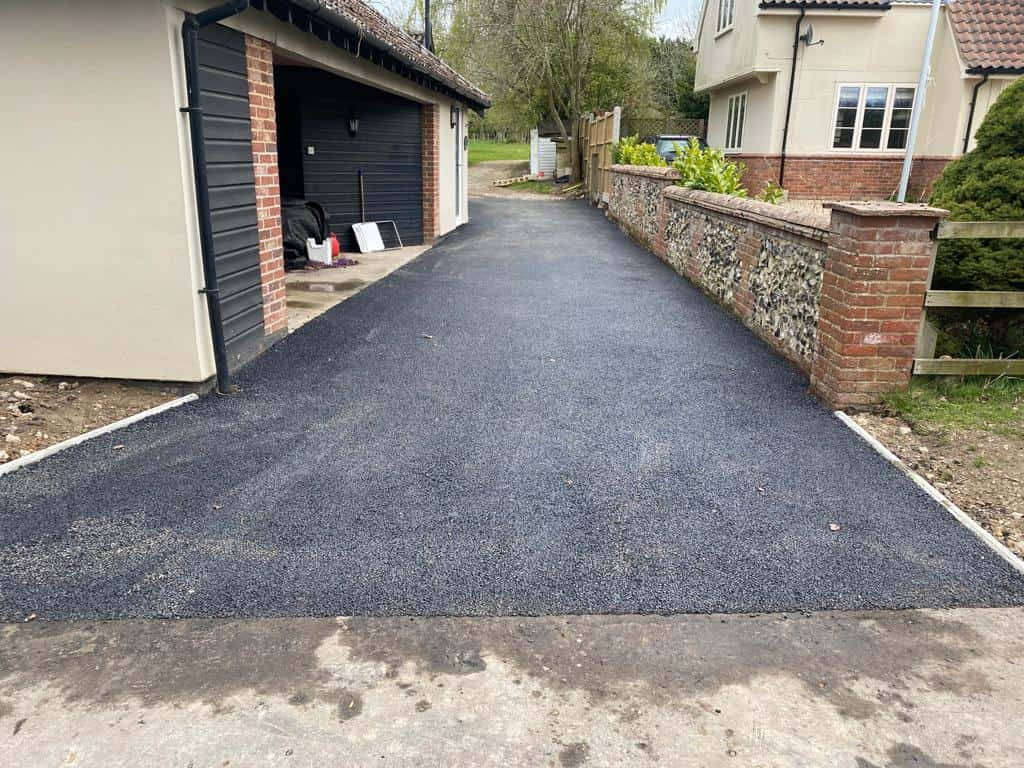
Why Correct Installation Matters When Replacing Damaged Paving
Damaged paving can affect more than the appearance of a driveway. Loose blocks, uneven surfaces, sinking sections and recurring gaps can create drainage problems and make the area less practical to use. When replacing damaged paving, correct installation is essential to ensure the repaired surface remains stable, drains effectively and complements the rest of the driveway.
For homeowners in Tunbridge Wells, Kent, choosing a professional approach to driveway repairs can help prevent recurring problems and maintain an attractive, functional outdoor space. Understanding what proper installation involves can help you recognise why the preparation beneath the paving matters just as much as the finished surface.
Why Is Proper Ground Preparation Important?
The condition of the ground beneath paving has a significant influence on how well it performs. If the existing sub-base is weak, uneven or poorly compacted, replacement paving may begin to move or sink even when the surface materials are correctly laid.
Before installing new paving, the damaged area should be assessed to establish whether the problem is limited to individual blocks or extends to the supporting layers beneath them.
Where necessary, loose material should be removed, the ground prepared and the sub-base restored and compacted appropriately. This creates a more stable foundation and reduces the risk of the same damage returning.
Preventing Uneven Surfaces and Loose Paving
Paving can become uneven for several reasons, including inadequate ground preparation, movement beneath the surface and water affecting the supporting layers. Simply replacing a damaged block without correcting the underlying issue may provide only a temporary improvement.
Correct installation involves ensuring that the replacement paving is properly supported and aligned with the surrounding surface. Suitable bedding materials and careful positioning help distribute loads more evenly and reduce the likelihood of individual blocks moving under regular vehicle use.
For driveways, this is particularly important because the surface must withstand repeated traffic without developing dips, loose sections or uncomfortable changes in level.
Getting Drainage Right
Effective drainage is an important part of any paving installation. If water collects on the surface or drains towards the property instead of away from it, it can create persistent damp areas and contribute to deterioration.
Correct levels and falls help direct rainwater towards appropriate drainage points. The installation should also account for the surrounding ground, existing drainage arrangements and the way water moves across the driveway.
If damaged paving has developed because of standing water or poor drainage, replacing the surface without addressing the cause may allow the problem to return. A professional assessment can help establish whether changes to the levels, drainage or supporting layers are required.
Choosing Suitable Materials for the Driveway
Replacement paving should be appropriate for the intended use of the area. A driveway that regularly supports cars requires materials and a supporting structure suitable for vehicle loads, rather than the same specification that might be used for a lightly used garden path.
The appearance of the replacement materials also matters. Matching the existing paving as closely as practical can help maintain a consistent finish, while replacing a larger section may sometimes produce a more uniform result where the original materials have deteriorated.
For homeowners considering a different surface, resin-bound surfacing may be an option worth exploring. Its suitability depends on the existing foundation, drainage requirements and intended use of the driveway.
Protecting the Edges of the Paved Area
The edges of a paved driveway help hold the surface in position. If edge restraints are missing, damaged or inadequately secured, paving can gradually spread or move under pressure.
This can lead to widening joints, gaps between blocks and uneven edges that become increasingly noticeable over time.
During replacement work, the condition of the surrounding restraints should be checked and repaired where necessary. Securing the perimeter helps the paving retain its shape and supports the stability of the finished surface.
Why Professional Installation Helps Prevent Repeat Problems
Damaged paving is not always caused by the visible surface itself. A sunken section may indicate a weak sub-base, while loose blocks could result from inadequate edge restraints or water-related ground movement.
A professional installer considers these factors before deciding how the affected area should be repaired. This helps ensure the work addresses the underlying cause rather than simply covering up the symptoms.
At Resin Drives Tunbridge Wells, we can assess your existing driveway and help you explore suitable options for replacing damaged paving or improving the surface. Our focus is on creating a practical, well-finished driveway that suits the property and its intended use.
When Should You Replace Damaged Paving?
Some isolated defects can be repaired by lifting and relaying individual blocks, provided the underlying materials remain in good condition. However, widespread sinking, recurring movement, persistent puddles or extensive deterioration may indicate that more substantial work is needed.
Having the area assessed can help determine whether localised repairs are sufficient or whether a larger section would benefit from replacement. Acting when problems first appear can also help prevent further deterioration across the driveway.
Conclusion
Correct installation matters when replacing damaged paving because the long-term performance of a driveway depends on more than the appearance of its surface. Proper ground preparation, a stable sub-base, suitable materials, effective drainage and secure edges all help reduce the risk of recurring damage.
If your driveway in Tunbridge Wells, Kent, has loose blocks, uneven sections or persistent drainage problems, contact Resin Drives Tunbridge Wells to discuss the available options and arrange an assessment of your driveway.
Call us on: 01892 481881
Click here to find out more about Resin Drives Tunbridge Wells
Click here to complete our contact form and see how we can help with your driveway needs.